
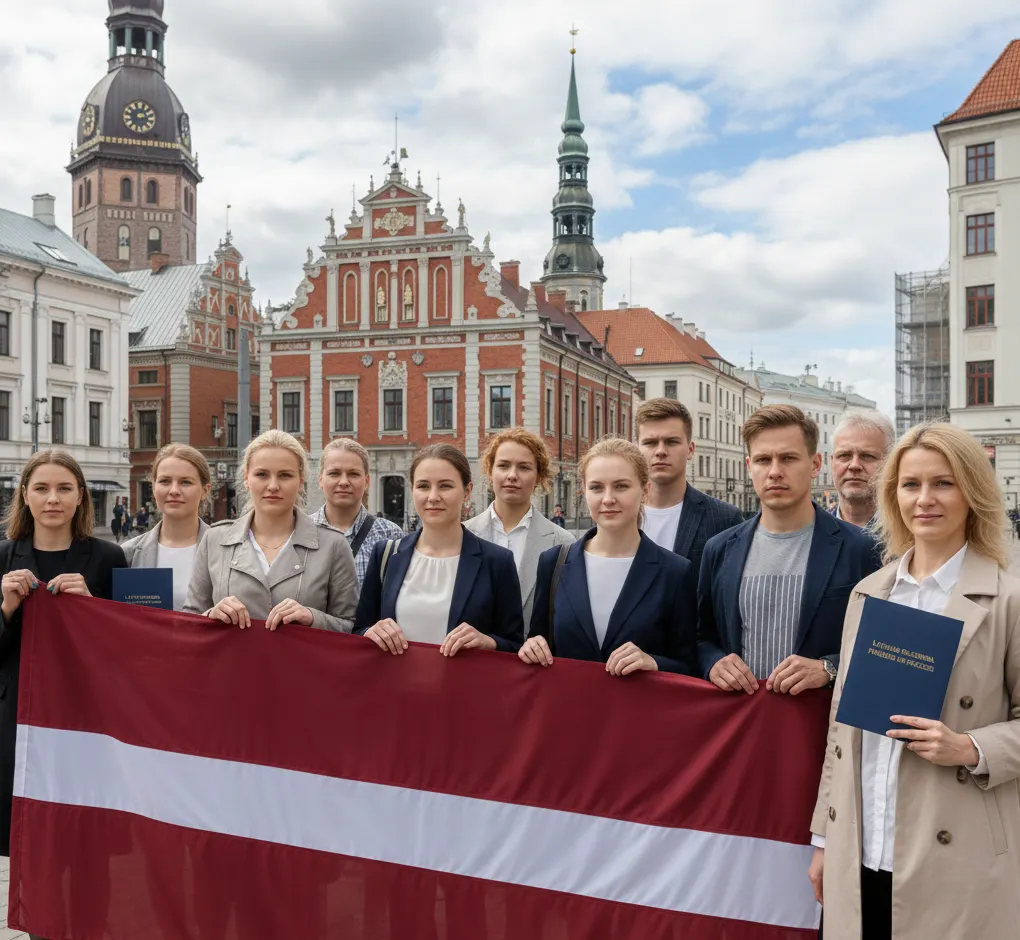
For many of the clients we assist every single day, Latvia citizenship by naturalization signifies the finish line of an exhausting, decade-long marathon. It isn’t like citizenship by descent, where you just need to find a lucky ancestor in some dusty archive to get a passport. This specific path is strictly about proving your integration through personal effort. It is about grit. Success here demands patience, years of your time, and a genuine, provable adoption of the local culture and language. But don’t let the difficulty scare you off. If you have already made this Baltic nation your home, securing your future through formal status is the only logical step left to take. We exist to help you break down these bureaucratic bridges so you can cross them without getting lost in the paperwork.
Overview of Latvian Citizenship by Naturalization
We see newcomers get confused about this all the time. They often misunderstand naturalization, mixing it up with simple residency permits or those flashy “Golden Visa” investment schemes. But there are distinct differences that every applicant needs to understand before they even start. Think of residency as a revocable permission slip — it is a temporary allowance that can vanish into thin air if the laws change or if you lose your job. Nationality, by contrast, stands as an irrevocable right that belongs to you forever. Grasping this core concept is crucial before you even think about downloading an application form.
What citizenship by naturalization means
Plainly speaking, naturalization represents the act of a foreigner becoming a citizen through the passage of time combined with active, proven integration. You aren’t born with these rights; you have to earn them through merit and dedication. The unspoken deal with the government operates simply: if you live locally for long enough, master the local tongue, and respect the laws, then full rights will follow. Unlike descent paths that focus on bloodlines and family trees, Latvian citizenship by naturalization examines your behavior, your loyalty, and your commitment. The system operates on merit. You prove your worthiness, and the state grants you protection and identity in return.
Who is eligible
The net is cast wide, yet the mesh remains tight to ensure quality control. Generally, the path opens for foreign nationals who have resided legally for a specific duration — usually five years of holding permanent residence status. Expats building careers in Riga, spouses of locals, or long-term students fit this profile perfectly. However, tourists, digital nomads, or short-term contract workers need not apply, as their roots are just too shallow. Demonstrating that your life centers physically in Latvia matters immensely. Spending ten months annually in Spain while only popping over to Jurmala for summer breaks will disqualify you immediately.
Key benefits for foreigners
Why endure the stress of exams and mountains of paperwork? Security and absolute mobility provide the best answers. Permits can vanish if employment ends or immigration rules shift unexpectedly, but status lasts forever. Holding a passport places the full weight of the European Union behind you. Living, working, or retiring anywhere from Lisbon to Helsinki becomes possible without asking anyone for permission. Voting rights, running for office, and voicing opinions on laws governing daily life also emerge, transforming you from a subject into an active participant.
Eligibility Requirements
Authorities do not hand out passports as party favors in this region. The bar sits high, ensuring that only truly integrated individuals pass the test. There are several specific boxes that require ticking, and missing even one triggers an immediate rejection.
Residency duration and conditions
The hard rules dictate five years of permanent residence before an application can even be filed. But there is a catch that catches many people off guard. Acquiring permanent status usually necessitates living locally for five years on temporary permits first. Thus, most newcomers are actually facing a ten-year timeline from their arrival day to passport day. During this decade, your stay must remain continuous. Disappearing for years and expecting the clock to keep ticking will fail. The Office of Citizenship and Migration Affairs (PMLP) checks travel histories meticulously to ensure your center of life remained in Latvia.
Language and integration requirements
Language hurdles trip up most candidates, serving as the primary filter for applicants. Getting by with English or Russian stops working at this stage. Passing the Latvian language exam remains mandatory. Merely saying “hello” or “thank you” falls short; demonstrating conversational fluency—usually at an A2 or B1 level—is essential. But the requirements extend further than just grammar. Tests also cover the Basic Principles of the Constitution, the National Anthem, and History. The state demands that future citizens understand its origins, its struggles, and its values.
Criminal record and good conduct
Your record must remain squeaky clean. Society wants good neighbors, not liabilities. A criminal record involving serious crimes, whether local or from an origin country, kills an application instantly. Even accumulating small administrative fines or unpaid debts can raise red flags during the review. Authorities run background checks spanning international databases like Interpol and Europol. Those asking how to get citizenship in latvia must start by keeping their noses clean and paying any fines immediately.
Other legal conditions
Legal income sources require documented proof. The state ensures applicants won’t burden the social welfare system immediately after naturalizing. Renouncing previous nationalities generally becomes necessary unless candidates hail from EU/NATO nations or countries holding specific reciprocal agreements. This decision weighs heavily, as giving up a birth passport represents a significant emotional and practical step.
Application Process
Bureaucracy often feels daunting to the uninitiated. It looks like a mountain of paperwork that requires climbing in a specific order. Skipping steps or guessing requirements leads only to delays.
Step-by-step guide to applying
The process runs linearly but strictly, requiring milestone completion in a specific sequence. Jumping ahead results in files returning to the bottom of the pile. Preparing fully before starting the journey often necessitates consulting resources like https://latviancitizenship.eu/ to verify latvian citizenship eligibility and gather the correct forms. Once you are ready, follow this path to avoid getting lost:
- Preparation: Gather your documents and start studying for the exams immediately.
- Submission: Submit your initial latvian citizenship application files to the PMLP for review.
- Testing: Receive your exam dates regarding language and history, then pass them.
- Verification: Authorities perform background checks and verify your income sources.
- Renunciation: Prove the abandonment of old allegiances if required.
- Oath: Swear loyalty to the Republic publicly.
- Collection: Receive your passport and national ID card.
Rushing the timeline always fails. Government gears grind slowly, so patience acts as the only viable strategy. Harassing the clerks speeds nothing up.
Required documents
Building a legal case demands serious organization. Substantial paper piles will accumulate. Walking in with just a smile works poorly; hard evidence works best. A standard application package usually requires these items:
- Current valid travel documents plus your residence permits.
- Proof regarding legal income (tax returns or employment contracts).
- Documentary evidence showing residence duration over the past decade.
- Police clearance certificates from your home nation.
- Photos and forms signed before officials.
Documents not in Latvian require translation plus notarization. One missing stamp causes bounces, restarting the review clocks. Double-check every single page before submission.
Processing timeline
Patience constitutes a requirement here, not just a virtue. Submitting files does not yield answers next week. Review processes typically consume 6 to 12 months. Security checks, exam scheduling, and final administrative decisions eat up time. Background questions can drag timelines further. Plan your life accordingly — booking celebratory trips too early risks disappointment.
Common mistakes to avoid
Identical errors appear constantly in this line of work. Pain arises because prevention remains simple. Applicants trip over small hurdles, setting progress back by months. Watch out for these pitfalls:
- Underestimating language. Thinking “winging it” works on exams proves fatal.
- Residence gaps. Leaving borders too long breaks continuity unnoticed.
- Incomplete tax records. “Under the table” work fails to prove legal income.
- Ignoring dual rules. Applying without realizing old passports might vanish.
Avoid these errors, and the path smooths out. Clean files move through the systems faster than messy ones.
Rights and Benefits
Surviving the exams and waiting periods yields results. The status shift is profound. Outsiders become insiders.
Voting and civic participation
Passports provide voices. Voting in parliamentary (Saeima) and municipal elections becomes possible. Running for office opens up. Signing initiatives to change laws becomes a right. Policies affecting taxes, streets, and schools fall partially into citizens’ hands. Long-term residents find the shift from passive observation to active participation empowering.
EU mobility and work rights
Clients value this benefit massively. A local passport equals an EU passport. Freedom of Movement activates. Moving to Paris, Berlin, or Rome tomorrow with automatic work rights becomes reality. Permits no longer tether individuals to Riga. How to get latvian citizenship answers questions about opening doors to entire continents, not just one nation.
Social and economic benefits
Full safety nets open up. Consular protection activates if trouble strikes abroad — diplomats fight for nationals. Restricted jobs in government, military, or high-security sectors become available. Banks view citizens as lower-risk borrowers compared to temporary residents, granting easier access regarding loans and mortgages.
Dual citizenship rules
Tricky parts emerge here. Laws modernized in 2013, yet restrictions remain. Keeping existing nationalities works only if the countries belong to the EU, NATO, EFTA, Australia, Brazil, or New Zealand. Candidates from Russia, Belarus, or many non-Western aligned nations pursuing how to get citizenship in latvia generally must renounce their current status. The choice is binary. This step often proves the hardest for applicants from affected regions.
FAQ
How long does the process take?
From handing in papers to holding passports, budget approximately one year. Simpler cases move faster, yet bureaucratic wheels turn at distinct paces. Rushing proves impossible; using time for language perfection works best.
Can dual citizens apply?
Yes, but checking specific rules regarding your current passport comes first. Holding nationality from the USA, UK, or Germany offers safety; possessing both works. However, holders from Russia, India, or China almost certainly must renounce their origins. Knowing this beforehand prevents shock.
Is language proficiency mandatory?
Absolutely. No way around exists unless candidates exceed age 65 or possess specific medical disabilities. For everyone else, pathways start with textbooks. Speaking, reading, and writing at conversational levels remain mandatory. Society demands this admission price.
Where to find official guidance?
The ultimate authority rests with the Office of Citizenship and Migration Affairs (PMLP). However, navigating legal jargon frustrates non-native speakers. Consulting legal experts or specialized agencies ensures correct rule interpretation before file submission occurs.



 English [EN]